How Technology Is Changing Body Contouring Farmington Hills


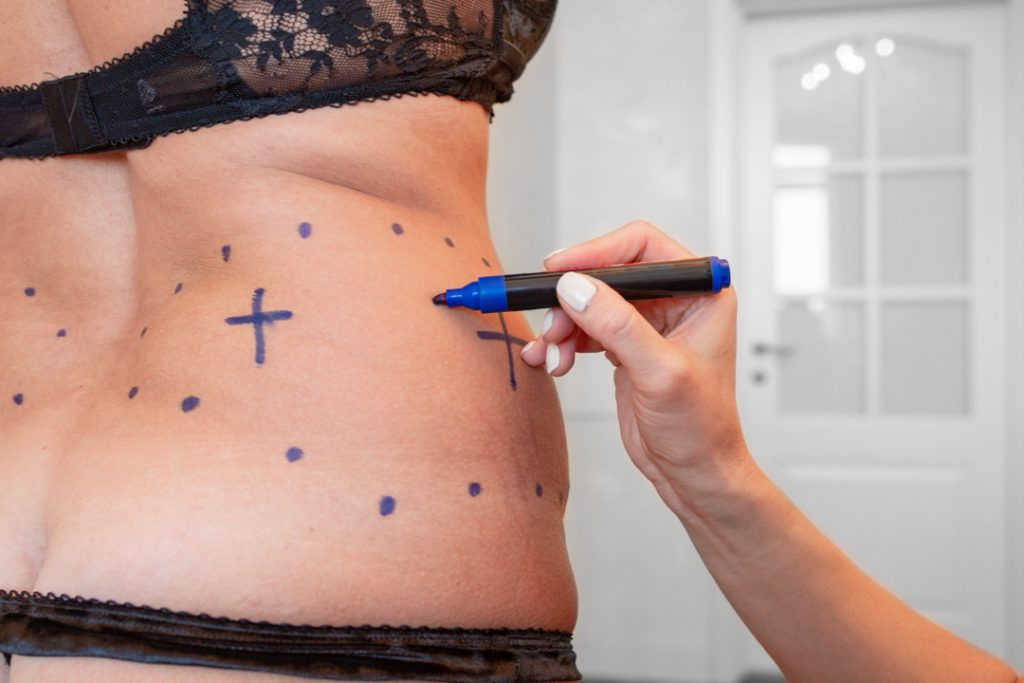
Body contouring has changed dramatically over the past decade, and nowhere is that more visible than in local aesthetic practices that have embraced newer devices, better imaging, and more personalized treatment planning. In Farmington Hills, patients are no longer limited to the old choice between living with a stubborn area forever or committing to a full surgical procedure with extended downtime. Technology has widened the middle ground. That matters because most people seeking contouring are not chasing perfection. They want practical improvement, a cleaner waistline, less fullness under the chin, smoother skin on the thighs, or a more proportional silhouette that finally matches the work they have already put into diet and exercise.
That shift has changed not only the treatment menu, but also the patient experience. Consultations are more data-driven. Results are discussed with more nuance. Expectations are often better managed than they used to be. For anyone researching Body Contouring Farmington Hills options, understanding how these technologies work, where they help, and where they fall short is the difference between feeling informed and feeling sold to.
The move away from one-size-fits-all contouring
A few years ago, body contouring conversations tended to split into simple categories. Surgical liposuction sat on one side. General spa treatments sat on the other. There was a wide gap in between, and plenty of confusion about what non-surgical treatments could realistically do.
Technology has narrowed that gap. Clinics now have access to devices that use controlled cooling, radiofrequency energy, ultrasound, muscle stimulation, laser heat, or combinations of those approaches. Each method targets tissue differently. Some are designed primarily to reduce pockets of fat. Others focus more on tightening lax skin. Some are best for improving texture or cellulite, and some are used for modest muscle definition in the abdomen or glutes.
That distinction matters because the phrase “body contouring” sounds broader than it really is. It is not one treatment. It is a category that includes several tools, each with strengths and limits. In practice, a patient with postpartum abdominal laxity needs a different plan than a patient whose main complaint is fullness at the flanks. A person with a lean build and a small under-chin bulge is not the same case as someone carrying more generalized adiposity through the midsection. Better technology has made those differences easier to address, but it has also made provider judgment more important.
What modern devices are actually doing
The core idea behind most contemporary body contouring technology is selective targeting. Clinics are trying to affect one tissue type more than another. That can mean cooling fat cells to a temperature that triggers gradual cell death while leaving surrounding tissue largely unharmed. It can mean heating deeper layers to stimulate collagen remodeling in loose skin. It can mean creating thermal injury zones under the skin to tighten tissue over time. It can also mean using focused energy to cause changes in subcutaneous fat while minimizing surface trauma.
For patients, the appeal is obvious. There are fewer incisions, less bruising in many cases, shorter recovery, and often the ability to return to https://spencerhqug246.huicopper.com/body-contouring-farmington-hills-benefits-options-and-results normal routines quickly. A parent can schedule a lunchtime appointment and still pick up children from school. A professional can avoid taking a full week off work. A person who would never choose surgery may still feel comfortable trying a lower-downtime option.
Still, newer does not automatically mean better for every body. A non-surgical abdominal contouring device may work well for someone who is already close to their stable weight and dealing with a pinchable, localized fat pocket. The same device can disappoint a patient expecting major weight-loss-level change. Good practices in Farmington Hills have become more careful about that distinction because technology has improved results, but it has also raised expectations.
Imaging, measurement, and the end of vague consultations
One of the least flashy but most meaningful advances has been in assessment. Better photography systems, body mapping tools, and treatment documentation have changed how consultations happen. Years ago, many aesthetic decisions were made largely by eye and memory. That invited misunderstanding. A patient might leave thinking they would lose several clothing sizes, while the clinician thought they understood the improvement would be subtle.
Now, many offices use standardized photography, circumference measurements, and side-by-side visual review. Some also use skin analysis or treatment mapping software. This has improved communication in a practical way. When a provider can show where the tissue fullness sits, whether the issue is skin laxity or fat prominence, and how symmetry factors into the plan, patients tend to make better decisions.
This is especially helpful in Body Contouring Farmington Hills consultations, where patients often compare surgical and non-surgical options during the same visit. Technology gives the conversation more precision. Instead of speaking in vague promises, providers can explain that one technology may reduce fullness modestly over eight to twelve weeks, while another may tighten skin more noticeably but require a series of treatments. That kind of detail is not glamorous, but it is where trust is built.
The rise of combination treatments
Perhaps the biggest practical change has been the move toward layered treatment plans. A single device rarely addresses every concern well. People do not come in as textbook cases. They may have a little extra fat, some mild skin looseness, and a texture issue like cellulite or crepey skin. That is why combination protocols have become common.
A patient might begin with fat reduction and follow with skin tightening. Another may use a muscle-stimulating treatment to improve abdominal tone after reducing superficial fullness. Someone treating the upper arms may benefit from a technology that firms tissue more than one that simply reduces volume. In experienced hands, these combinations can produce more balanced results than relying on one machine for everything.
This is also where local expertise matters. Technology is only part of the story. The device does not decide timing, spacing, candidacy, or endpoint. A seasoned provider understands that overtreating an area can produce irregularity, while undertreating can lead to no visible payoff and patient frustration. They also know when a person is not likely to benefit enough from non-surgical work and should hear that plainly.
How radiofrequency changed the skin-tightening conversation
Skin laxity used to be a major frustration in non-surgical contouring. Fat reduction alone can sometimes reveal or worsen loose skin, especially after weight loss, pregnancy, or age-related collagen decline. Radiofrequency-based systems changed that conversation because they target the tissue in a different way. By delivering controlled heat into the deeper layers, these devices can stimulate collagen remodeling and tightening over time.
Patients often like these technologies because the results can look more natural. Rather than a dramatic overnight shift, there is gradual firming that evolves over several weeks or months. The trade-off is patience. Tightening is rarely instantaneous, and the improvement is usually best for mild to moderate laxity rather than severe looseness. That is an important distinction. A person with significant hanging skin will not get a surgical result from a non-surgical tightening device, no matter how advanced the marketing language sounds.
In Farmington Hills practices that use radiofrequency well, consultations usually include some frank discussion about elasticity. Age matters, but it is not the only factor. Sun damage, weight fluctuations, genetics, smoking history, and previous pregnancies all affect skin behavior. Better technology has expanded options, but it has not repealed biology.
Cooling technologies and the appeal of targeted fat reduction
Controlled cooling treatments became popular because the concept is easy to grasp. Stubborn fat in a defined area can be targeted without incisions, and the body gradually clears damaged fat cells over time. For the right patient, this remains appealing. It is especially attractive for flanks, lower abdomen, bra fat, inner thighs, and under-chin fullness, depending on the applicators available.
The key phrase is “for the right patient.” Cooling technologies generally perform best when there is enough tissue to treat but not so much that the person is expecting a dramatic body transformation. Results often emerge gradually, which some patients prefer because the change does not look abrupt. Others struggle with the waiting period. If someone wants immediate debulking before a major life event, delayed results may feel unsatisfying even if the treatment technically works.
Another point that often gets overlooked is body composition. Two people can wear the same clothing size and be very different candidates. One may have soft, pinchable subcutaneous fat that responds nicely. The other may carry more visceral abdominal fullness, which sits deeper and is not the same target. Technology has made contouring more accessible, but candidacy still depends on anatomy.
Muscle stimulation and the shift toward shape, not just reduction
An interesting development in recent years is the rise of treatments designed to stimulate muscle contractions beyond what a person can voluntarily achieve during exercise. These treatments are often marketed around abdominal definition or glute enhancement. While they are not replacements for fitness, they have changed the way some clinics approach contouring.
This matters because many patients are not asking simply to be smaller. They want better shape. A flatter abdomen may still look soft if the underlying tone is poor. Someone near their ideal weight may want more definition rather than less volume. Technology that helps strengthen or stimulate muscle can play a role in those cases, particularly when paired with realistic expectations.
The realism piece is important. These treatments can support body goals, but they do not excuse a sedentary lifestyle or compensate for a poor diet. They also vary widely in who responds best. People who already exercise often notice refinements sooner because they have a muscular foundation to build on. Sedentary patients may feel stronger, but visible contour changes can be more modest. Good providers explain that upfront.
Why local patients are asking better questions
Technology has made consumers savvier. Patients in Farmington Hills often arrive having read about multiple platforms, compared before-and-after photos, and talked with friends who had treatment elsewhere. That can be helpful, but it also means clinics need to spend more time correcting misconceptions.
One common misunderstanding is that all non-surgical contouring devices are interchangeable. They are not. A treatment designed for skin tightening is not a direct substitute for one that primarily reduces fat. Another misconception is that more sessions always equal better results. Sometimes they do. Sometimes they do not, especially if the issue was poor treatment selection from the start.
The most useful questions tend to be practical:
- What exactly is being treated here, fat, skin, muscle, or texture?
- How many sessions are typical for this concern and body area?
- When should results start to appear, and when do they peak?
- What does this treatment not do?
- If I am not an ideal candidate, what would you recommend instead?
Those questions force specificity. They help separate thoughtful care from generic sales talk.
The role of surgical technology is changing too
Non-surgical advances get most of the public attention, but surgical body contouring has also evolved. Modern liposuction techniques, improved cannulas, better tumescent methods, and more refined energy-assisted tools have made surgical contouring more precise than it once was. Recovery protocols are often better managed, and surgeons can sculpt with more intention than simple volume removal.
That has had an indirect effect on Body Contouring Farmington Hills more broadly. Patients now see a wider continuum of care rather than a strict divide. Some start with non-surgical treatment because their concerns are mild. Others use surgery for a major change and later rely on non-surgical technologies for maintenance, skin quality, or touch-up areas. The smartest practices acknowledge this overlap instead of pretending one category fits everyone.
From an experience standpoint, this is healthier for patients. It makes room for honest recommendations. A person with significant excess skin after major weight loss deserves a candid surgical conversation. A younger patient with a small lower belly pad and firm skin may do very well without surgery. The real value of technology is choice, not hype.
Personalization is finally becoming real
“Personalized treatment” has long been used as a marketing phrase, but technology has made it more tangible. Device settings can be adjusted based on tissue thickness, comfort tolerance, and treatment goals. Applicator size matters. Treatment spacing matters. The sequence of fat reduction versus skin tightening matters. Even something as simple as side sleeping, compression use, or post-treatment activity can affect comfort and recovery.
Clinicians who work with these technologies regularly notice patterns that are not always obvious in brochures. For example, the same treatment can look impressive on the upper abdomen but less dramatic on the lower abdomen, where skin and fat behave differently. Inner thighs may require a more conservative plan because contour changes are visible from many angles. The submental area under the chin can respond well, but slight asymmetries matter more there because the face frames the result.
This is where experience still outruns the machine. The device is a tool. Judgment creates the outcome.
What has improved for recovery and comfort
A major reason body contouring has grown is that treatment is easier to fit into ordinary life. Comfort features have improved. Applicators are better designed. Post-treatment protocols are more standardized. Practices are more proactive about preparing patients for what normal soreness, swelling, numbness, or tenderness may feel like.
That may sound minor, but it changes adherence. When people understand what to expect, they are less likely to panic at temporary swelling or quit a series prematurely because they misread a short-term reaction as failure. In my experience, many body contouring disappointments are not failures of technology alone. They are failures of communication. Better systems have helped, but so have better patient instructions.
A few factors still shape recovery regardless of the device:
- The body area being treated
- The intensity or settings used
- Whether multiple technologies are combined
- The patient’s baseline sensitivity and healing response
- How closely aftercare guidance is followed
None of this is glamorous, yet it often determines whether the overall experience feels smooth or frustrating.
The trade-offs that deserve more attention
The biggest benefit of modern contouring technology is convenience, but convenience has a cost. Non-surgical treatment is often incremental. Patients may need multiple visits, delayed gratification, and a willingness to accept moderate rather than dramatic change. Some love that. Others discover they would rather undergo one larger intervention and move on.
Cost structure also deserves honesty. Individual non-surgical sessions can seem approachable, but several rounds across multiple areas add up quickly. For some patients, a surgical option may ultimately be more efficient if their goals are substantial. For others, avoiding anesthesia, incisions, and longer downtime is worth paying for gradual improvement. Neither choice is universally right.
Another trade-off is maintenance. Body contouring can reduce certain fat cells or improve skin firmness, but it does not freeze the body in time. Weight gain can still alter results. Aging continues. Hormonal shifts, pregnancy, stress, and lifestyle changes all matter. Technology can shape tissue. It cannot replace long-term habits.
What to look for in a Farmington Hills provider
Technology has made the local market more crowded. New devices arrive with strong branding, and not every practice uses them with equal skill. Patients often focus on the machine name, but provider assessment is just as important.
A worthwhile consultation should feel specific, not scripted. The provider should examine the treatment area directly, discuss skin quality as well as fat volume, and explain what result is realistic for your body. They should be willing to say when you are not an ideal candidate. Before-and-after images should resemble your concern, not just showcase best-case outcomes on very different body types.
This is especially relevant when searching for Body Contouring Farmington Hills services because local demand is high and treatment menus can look similar online. The difference often shows up in evaluation, planning, and restraint. Good practices do not reach for a device simply because they own it. They use it because it fits the anatomy in front of them.
Where body contouring is headed next
The next phase of body contouring is likely to be less about flashy claims and more about smarter integration. Devices are getting better at combining functions, such as affecting fat while also supporting skin tightening. Imaging and documentation will likely continue to improve. Treatment plans may become more predictive as providers gather better internal data on which body types respond best to specific settings and protocols.
What will not change is the need for judgment. Even the most advanced technology works inside the limits of human tissue. Providers still need to know when to recommend patience, when to adjust the plan, and when to tell someone their goal requires a different approach altogether.
For patients in Farmington Hills, that is actually good news. Technology has made body contouring more precise, more flexible, and more accessible than it used to be. It has created options for people who want visible improvement without committing immediately to surgery. It has also made consultations more honest when used well, because the best practices can now match tools more carefully to the problem.
That is the real transformation. The change is not just newer machines. It is better alignment between anatomy, expectations, and treatment choice. When those pieces line up, body contouring becomes less about chasing a trend and more about making a measured, informed decision that fits a real person’s life.
Aesthetic Plastic Surgery & Laser Center, Michelle Hardaway M.D.
Address: 27920 Orchard Lake Rd, Farmington Hills, MI 48334
Phone number: +12482211957
FAQ About Body Contouring Farmington Hills
What does body contouring actually do?
Body contouring (or body sculpting) eliminates stubborn localized fat, tightens loose, sagging skin, and reshapes your silhouette. It is not a weight-loss tool, but rather a cosmetic procedure used to refine and tone specific trouble spots after major weight loss, pregnancy, or aging.
How much does body contouring usually cost?
The total cost of body contouring usually ranges from $2,000 to $25,000+ depending entirely on whether you choose non-surgical sessions or major surgical procedures.
Because "body contouring" covers everything from simple fat-freezing to comprehensive post-weight-loss surgeries, pricing is heavily categorized by the method used.
What is the best type of body contouring?
Liposuction is a huge topic and worth discussing in more detail, but in terms of body contouring and sculpting, nothing does the job better than liposuction, particularly VASER liposuction.