How Body Contouring Farmington Hills Encourages a More Sculpted Profile
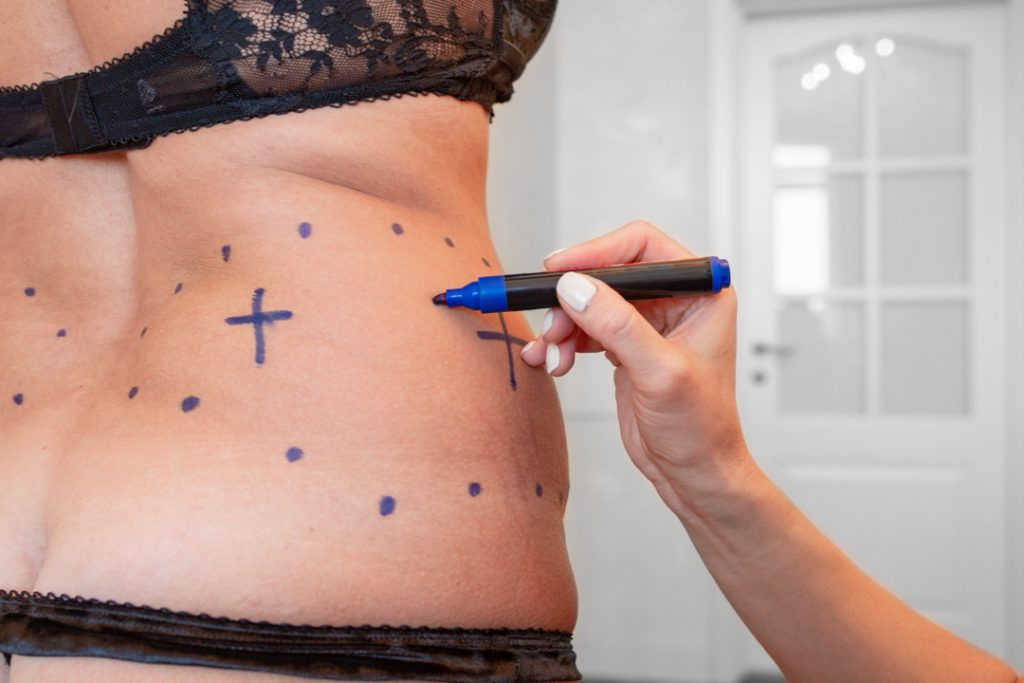
The desire for a more sculpted profile is rarely about chasing perfection. In practice, most people who ask about body contouring want something simpler and more personal. They want their shape to match the effort they have already put in. They want clothes to sit better at the waist, the lower abdomen to look smoother, the flanks to appear less prominent, or the upper arms to stop feeling like the one feature that never changed, despite months of exercise.
That is where body contouring enters the conversation. It does not replace healthy habits, and it does not turn one body type into another overnight. What it often does, when chosen thoughtfully, is refine proportions. It can reduce stubborn fullness, improve visual balance, and help a person feel more at ease in their silhouette. For many residents exploring Body Contouring Farmington Hills options, the appeal lies in that practical middle ground. They are not looking for fantasy. They are looking for a more defined version of themselves.
Why shape matters more than weight alone
People often assume body image concerns are mostly about the scale. In a clinical setting, that is not what comes up most often. A patient may be near their goal weight and still feel frustrated by a lower belly pouch after pregnancy, fullness beneath the chin, or persistent fat around the bra line. Another may have lost thirty pounds and feel proud of that progress, yet notice that certain areas still look soft or uneven. Weight and https://damienypgz539.opalvector.com/posts/why-body-contouring-farmington-hills-is-growing-in-popularity shape are related, but they are not the same thing.
Body contouring matters because the eye reads contour before it reads total pounds. A more tapered waist, a smoother transition from hip to thigh, or better definition along the jawline can change how the whole frame appears. Even small improvements in these zones can create a stronger sense of proportion. That is why someone may look visibly slimmer after contouring, even if their actual weight changes very little.
This distinction also helps set realistic expectations. Body contouring is usually best for localized concerns, not broad weight reduction. When people understand that from the start, they make better decisions and tend to be happier with the result.
What body contouring actually involves
The phrase covers a range of treatments, and that can confuse people at first. Some methods are non surgical and rely on controlled cooling, heat, radiofrequency, ultrasound, or muscle stimulation. Others are minimally invasive or surgical and focus more directly on removing fat, tightening tissue, or reshaping a target area.
A professional consultation usually starts with anatomy, not marketing language. Where is the fullness? Is the issue truly excess fat, or is it loose skin, muscle separation, posture, or a combination of those? Does the patient have good skin elasticity, or will reducing volume leave the area looking deflated? These questions matter more than the name of any device.
A person bothered by the abdomen after childbirth may need a very different plan than a person with a stable weight who wants mild flank refinement. The same is true for someone concerned about the neck versus the thighs. In body contouring, proper patient selection is half the outcome.
The Farmington Hills perspective
In communities like Farmington Hills, body contouring tends to attract people with grounded expectations. Many are balancing careers, family schedules, social obligations, and fitness routines. They are not always willing to commit to a long surgical recovery if a non surgical option may address their concern well enough. Others prefer a more definitive result and are open to a procedure if it means fewer repeat sessions and a more dramatic improvement.
That local context matters because treatment choices are often shaped by lifestyle. A school administrator may want minimal downtime. A sales professional may be especially interested in jawline or chin refinement because face to face presentation affects confidence. A parent who finally has time to focus on post pregnancy body changes may prioritize abdomen and flanks. A man in his forties or fifties may ask about the midsection or chest because weight loss improved health but not the outline he sees in fitted shirts.
This is one reason the conversation around Body Contouring Farmington Hills has become more nuanced. People are not merely asking, “What works?” They are asking, “What works for my schedule, my anatomy, and the result I actually want to live with?”
The areas that most often shape the profile
Some body zones have an outsized effect on overall appearance. The abdomen is the obvious one, because even mild fullness there can make clothing fit poorly and obscure the waistline. The flanks are close behind. When the sides of the torso slim down, the waist often appears narrower immediately, even if the abdominal change is modest.
Under the chin is another area where small treatment changes can have a large visual payoff. Reducing submental fullness can sharpen the jawline and improve profile views, especially in photographs or video calls. Upper arms and inner thighs also matter for many patients, though they are more sensitive to skin quality. In those areas, the wrong treatment can remove volume without delivering the firmness the patient expected.
The best providers are frank about those differences. They do not treat every concern as if it were interchangeable. A lower abdomen with firm, pinchable fat and good skin elasticity may respond well to one approach. Crepey upper arm skin in a patient over fifty may call for a different strategy entirely, or it may require a candid discussion that non surgical options alone have limits.
How a more sculpted profile changes daily life
The effects of successful contouring are often subtle to outsiders but meaningful to the person living with them. Patients frequently mention clothing first. A blouse no longer catches at the midsection. Jeans sit flatter through the waist. A blazer hangs more cleanly from the torso. Formalwear becomes less stressful. Swimwear feels less exposing.
There is also a posture effect that is easy to overlook. When people feel self conscious about a certain area, they often move around it without realizing it. They tug at tops, angle their body away from photos, or avoid certain cuts and fabrics. Once that concern softens, their posture tends to open up. They stand straighter. They stop negotiating with mirrors.
That shift is not vanity. It is relief. For many, the appeal of body contouring is less about looking transformed and more about no longer fixating on the same stubborn feature every day.
Not every treatment is trying to achieve the same thing
One source of disappointment is assuming all contouring methods deliver comparable results. They do not. Some aim for gradual reduction in small fat pockets. Others focus on skin tightening. Some create visible changes only after a series of sessions, while others are designed for a more direct reshaping effect.
A practical way to think about it is this:
- Fat reduction targets localized deposits that resist diet and exercise.
- Skin tightening addresses laxity, especially after weight loss or age related collagen decline.
- Muscle focused treatments improve tone or definition, but they do not remove much fat.
- Surgical contouring can produce larger changes, though it carries more downtime and a different risk profile.
These categories often overlap in real treatment plans. A patient may need modest fat reduction and skin tightening together. Another may think they need liposuction when the real issue is lax skin. This is where professional judgment matters. Over treating fat in a patient who mainly needs tightening can make the area look worse, not better.
Who tends to do well with body contouring
Strong candidates usually share a few characteristics. They have a stable or nearly stable weight. They are dealing with specific problem areas rather than generalized obesity. They understand that contouring is a shaping tool, not a substitute for foundational health habits. And they are willing to give results time, especially with non surgical methods that can unfold gradually over weeks or months.
It also helps when the person can clearly describe what bothers them. “I hate my stomach” is common at first, but once the conversation gets more specific, the real concern may be lower abdominal projection, side fullness, skin looseness around the navel, or all three. Clarity leads to better treatment selection.
Candidates who struggle most are often those hoping contouring will solve a moving target. If weight is fluctuating rapidly, if expectations are borrowed from filtered photos, or if a person wants a dramatic body composition change without corresponding lifestyle changes, the process becomes frustrating. Honest screening protects patients from spending time and money on a mismatch.
The role of consultation, and why it should feel specific
A good consultation is rarely glamorous. It should be detailed, practical, and mildly humbling in the best way. Measurements may be discussed. Pinch thickness matters. Skin recoil matters. Medical history matters. Photos may be taken from angles that reveal asymmetry the patient never noticed. The provider should ask about weight stability, prior procedures, scars, pregnancy history, exercise routines, and timeline expectations.
What you want to hear is not a sales pitch. You want to hear reasoning. Why this area first? Why one method over another? Why not treat that second area yet? Why might the result be moderate rather than dramatic?
When consultations stay that specific, patients can make decisions with open eyes. This is especially important in Body Contouring Farmington Hills, where many people are comparing clinics and trying to sort through polished marketing. The better question is not which practice promises the most. It is which practice explains the trade offs most clearly.
Recovery, downtime, and the reality between appointments
Non surgical body contouring is often described as having little to no downtime, which is broadly true, but “no downtime” does not always mean “no disruption.” A patient may have temporary swelling, tenderness, numbness, redness, or soreness. Compression garments may be recommended after some treatments. Results may develop slowly enough that patience becomes part of the process.
Surgical contouring, of course, asks more of the patient. Recovery can involve bruising, swelling, restrictions on lifting or exercise, time off work, and follow up visits that need to be planned around real life. The reward is often a more pronounced result, but that reward comes with a larger commitment.
This is where lifestyle honesty matters. A person caring for small children, traveling frequently for work, or training intensely for an athletic event may not be in the best season for a procedure with meaningful recovery. Timing the treatment well is often as important as choosing the treatment itself.
The emotional side is real, and it deserves respect
Body contouring sits at the intersection of aesthetics and psychology, which means the emotional dimension should not be minimized. Some people arrive after a milestone, such as a major weight loss, the end of breastfeeding, or a fortieth or fiftieth birthday. Others come in after years of trying to outwork a single problem area that never responds. There is often a backstory behind the consultation.
Handled well, body contouring can be affirming. It can help a patient feel that the exterior now reflects the discipline, healing, or self care they have already invested. Handled poorly, it can feed unrealistic expectations or encourage over treatment.
That is why restraint is underrated. The best outcomes are not always the biggest changes. Sometimes the most elegant result is a measured improvement that preserves natural proportions and leaves the patient looking rested, balanced, and believable.
How to judge whether a provider is the right fit
Experience matters, but so does communication style. A capable provider should be able to explain what can improve, what may only improve somewhat, and what probably will not change much at all. They should also be able to discuss alternatives, including doing nothing for now.
When evaluating options, pay attention to these signals:
- The consultation includes an honest discussion of limitations, not just benefits.
- Recommendations match your anatomy and goals, rather than steering everyone toward the same package.
- Before and after photos, if shown, look natural and relevant to your concern.
- Pricing and the likely number of sessions are discussed clearly.
- You leave understanding the recovery, the timeline, and the maintenance expectations.
That last point matters. Some results are long lasting, especially if weight remains stable. Others may benefit from maintenance sessions. If a practice is vague about that, ask directly.
The importance of stable habits after contouring
Body contouring can reshape, but it does not make the body static. Future weight gain can still accumulate in treated or untreated areas. Hormonal shifts, aging, pregnancy, and changes in activity level all continue to influence the body over time. Patients who maintain their results best are usually the ones who see contouring as part of a larger care plan, not an isolated fix.
That does not require extreme living. It usually means staying within a manageable weight range, preserving muscle through regular movement, and approaching food with consistency rather than rigid cycles. Even simple routines, like strength training a few times a week and maintaining protein intake, can help support a firmer, more defined look after treatment.
I have seen people get more value from a moderate contouring result paired with steady habits than from a bigger procedure followed by months of neglect. The treatment creates momentum. The lifestyle preserves it.
When body contouring may not be the best next step
There are times when waiting is the wiser choice. Someone in the middle of active weight loss may benefit from reassessment later, once their shape stabilizes. A patient with significant skin laxity may need a different category of treatment than the one they initially requested. Another may simply be too early in the postpartum period for accurate planning.
There are also cases where expectations need to be recalibrated. If a person wants a dramatic hourglass change from a treatment that is designed for modest contour refinement, the mismatch should be addressed before any appointment is booked. Similarly, if the concern is rooted in generalized body dissatisfaction rather than one or two clear anatomical issues, more treatment rarely solves that underlying discomfort.
Good aesthetic care includes knowing when not to proceed. That discernment protects trust, and it usually leads to better outcomes in the long run.
A sculpted profile is often the result of precision, not excess
There is a persistent myth that better aesthetic results come from doing more. More sessions, more areas, more intensity, more dramatic change. In reality, strong contouring results are often built on precision. A smaller treatment area, chosen correctly, can improve the way the entire torso looks. A subtle change under the chin can make the neck appear longer and the face slimmer. A carefully selected combination of fat reduction and skin tightening can outperform either one alone.
That precision is what makes body contouring appealing for adults who want refinement rather than reinvention. They are not trying to look like someone else. They want their natural frame to appear cleaner, firmer, and more balanced.
For people researching Body Contouring Farmington Hills, that is the most useful lens to bring into the process. Look for thoughtful assessment, realistic planning, and treatment choices that respect anatomy. The goal is not to erase every softness or engineer a trend driven body shape. The goal is to create a profile that feels more sculpted, more proportional, and more comfortably your own.
When that happens, the change reads clearly without looking forced. Clothes fit better. Photos become less strategic. The mirror stops feeling like a negotiation. And the result, more often than not, is not just a different outline, but a steadier kind of confidence that shows up in everyday life.
Aesthetic Plastic Surgery & Laser Center, Michelle Hardaway M.D.
Address: 27920 Orchard Lake Rd, Farmington Hills, MI 48334
Phone number: +12482211957
FAQ About Body Contouring Farmington Hills
What does body contouring actually do?
Body contouring (or body sculpting) eliminates stubborn localized fat, tightens loose, sagging skin, and reshapes your silhouette. It is not a weight-loss tool, but rather a cosmetic procedure used to refine and tone specific trouble spots after major weight loss, pregnancy, or aging.
How much does body contouring usually cost?
The total cost of body contouring usually ranges from $2,000 to $25,000+ depending entirely on whether you choose non-surgical sessions or major surgical procedures.
Because "body contouring" covers everything from simple fat-freezing to comprehensive post-weight-loss surgeries, pricing is heavily categorized by the method used.
What is the best type of body contouring?
Liposuction is a huge topic and worth discussing in more detail, but in terms of body contouring and sculpting, nothing does the job better than liposuction, particularly VASER liposuction.